










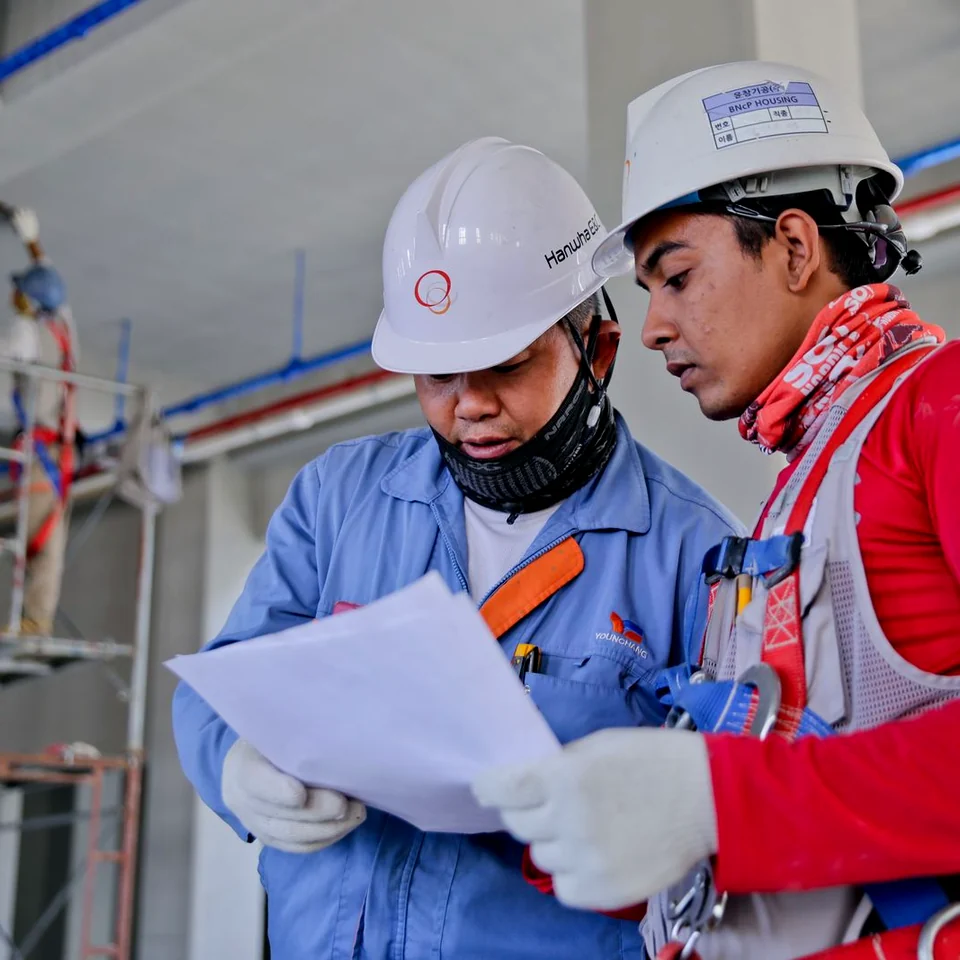

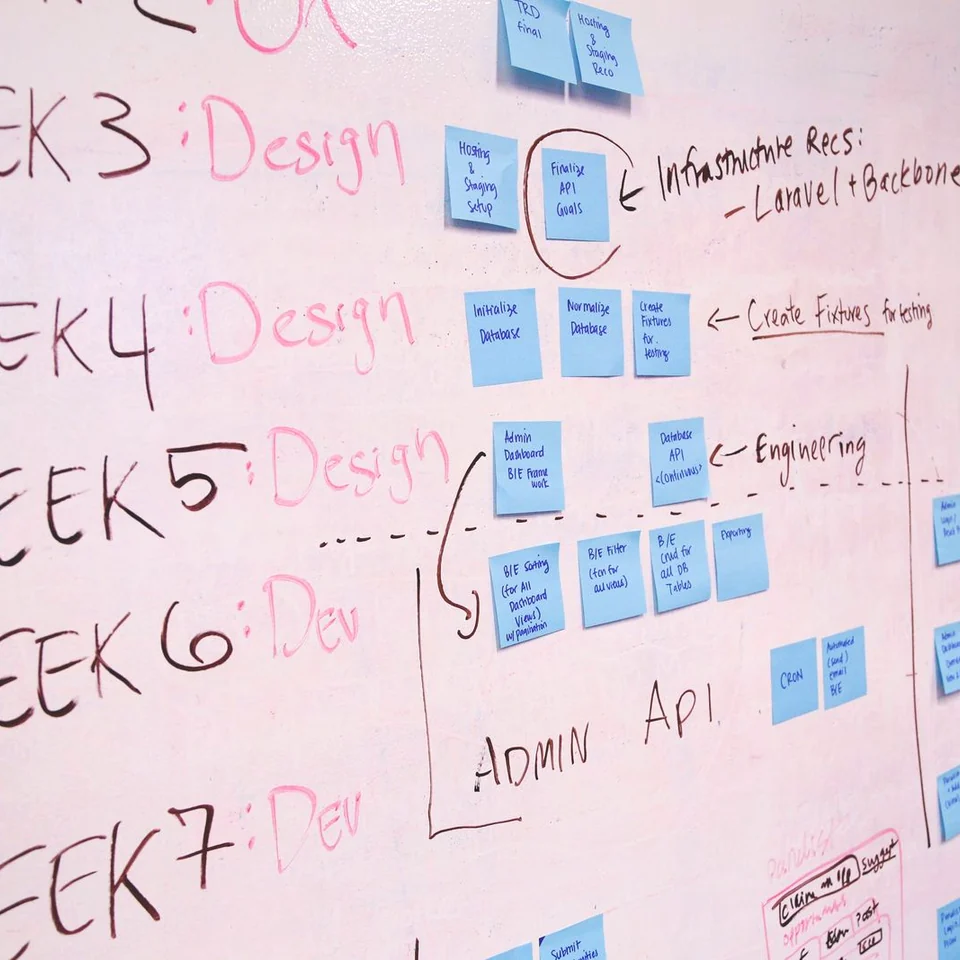




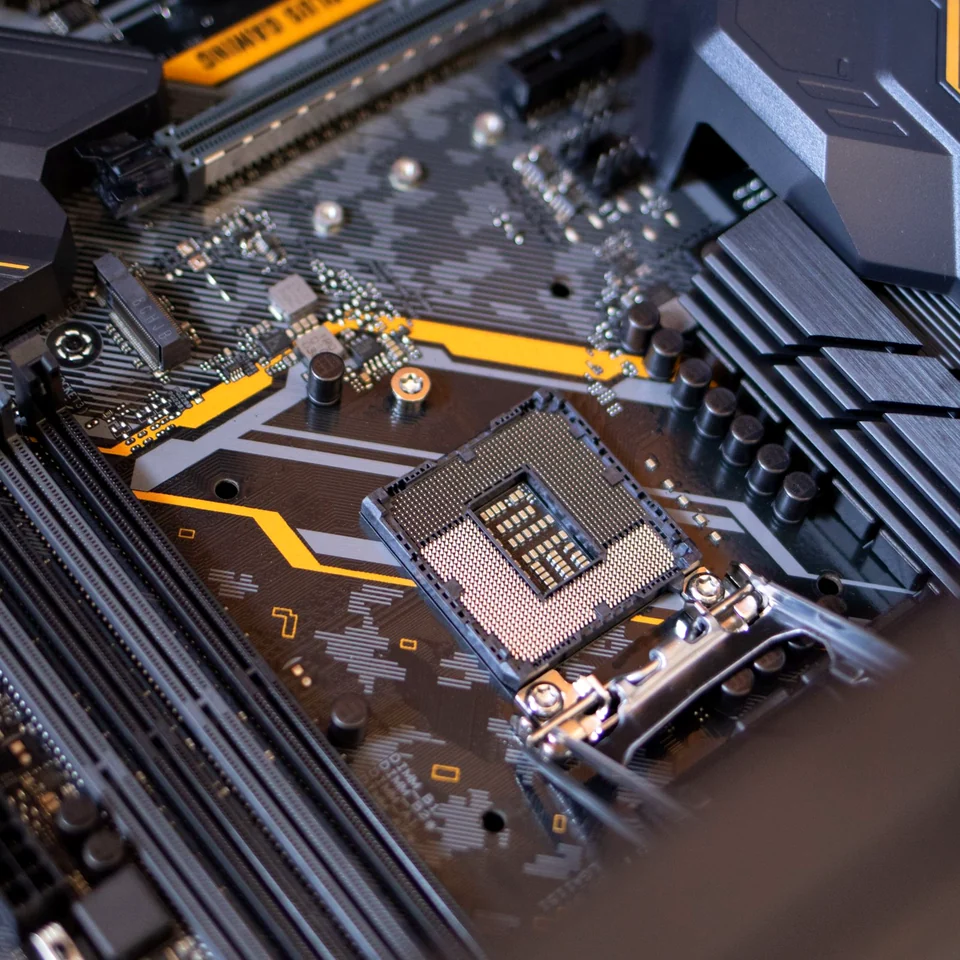
Accredited laboratories
ISO/IEC 17025 accredited partner laboratories.
 910Vocational Education & Skills Development
 1039Professional Training, Qualifications & Personnel Certification
 598Consulting & Advisory
 456Auditing & Inspection
 20Testing & Analytical
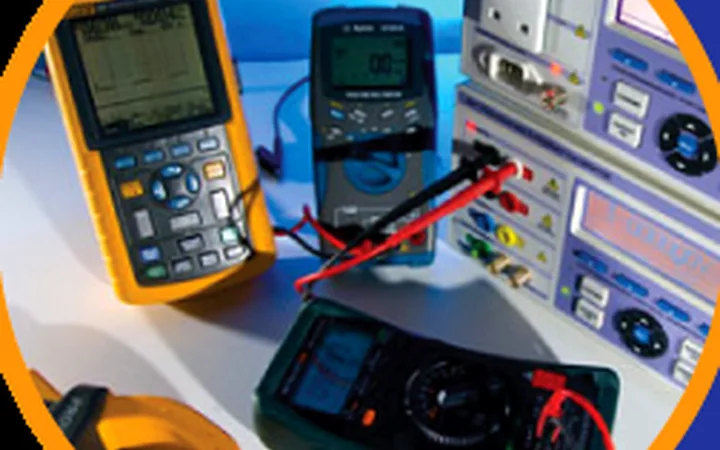 106Calibration & Instrumentation
 11Research & Development
 11Plant Design, Installation & Maintenance
 14Information Technology (IT)
 15Digitalization
 150Event Management
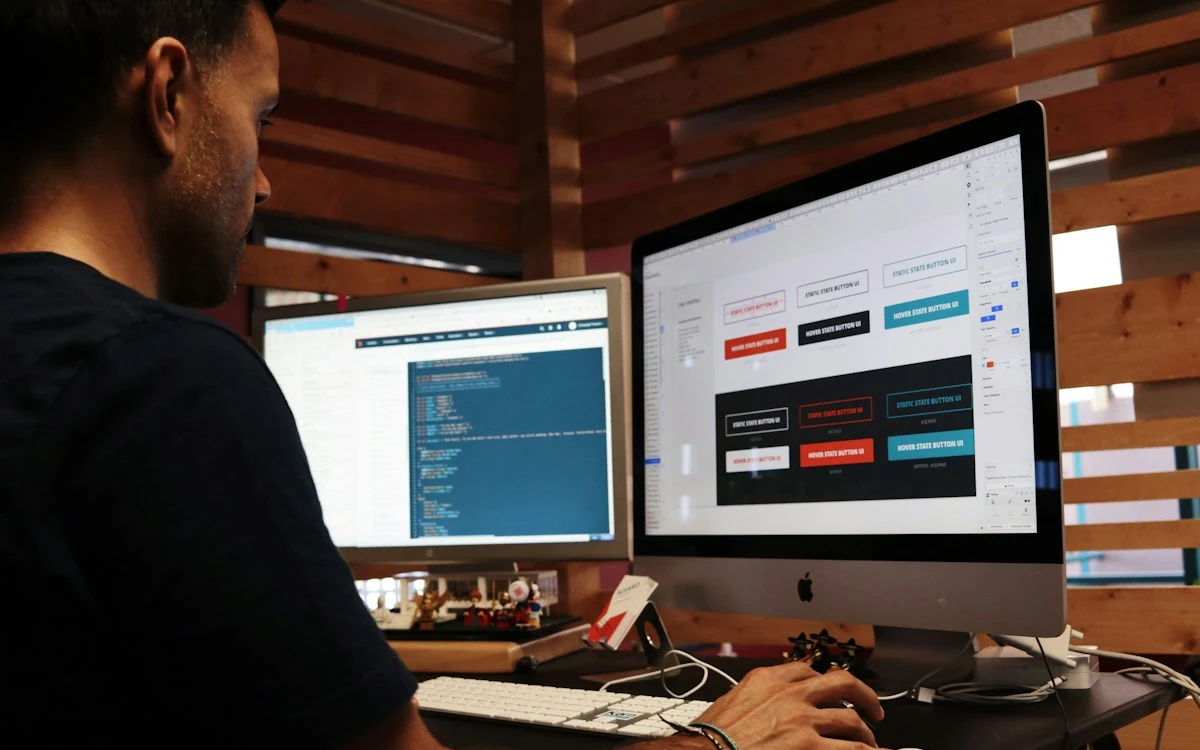 14Branding & Marketing
 80Talent Sourcing & Human Capital
 80Industrial Supply
 30Mentoring, Career Coaching & Counselling
 Busivio Cloud ERPComprehensive Cloud ERP, Inventory, Order Fulfillment & Financial Invoicing
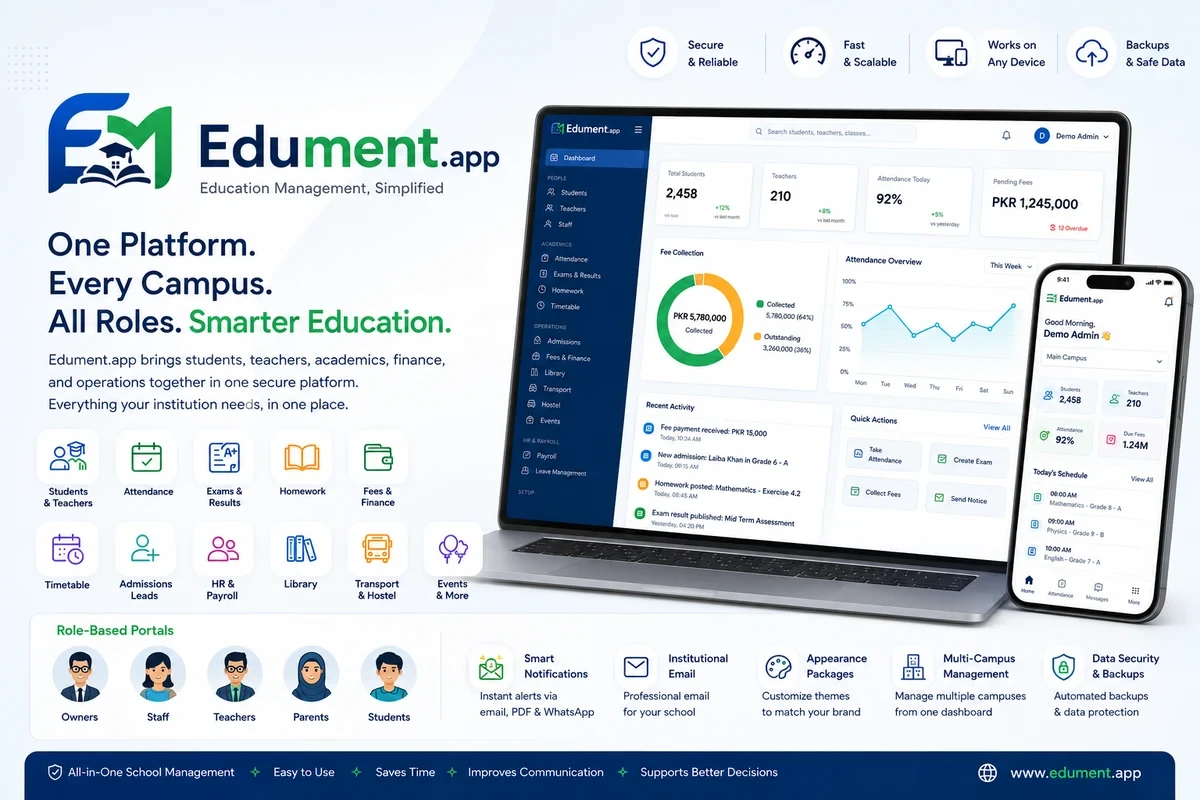 Edument Cloud School OSCloud Operating System for Modern K-12 Schools, Academies & Colleges
 AzAd WorkspaceIndependent Enterprise Email, Collaboration, Contacts & Integrated CRM on Your Custom Domain
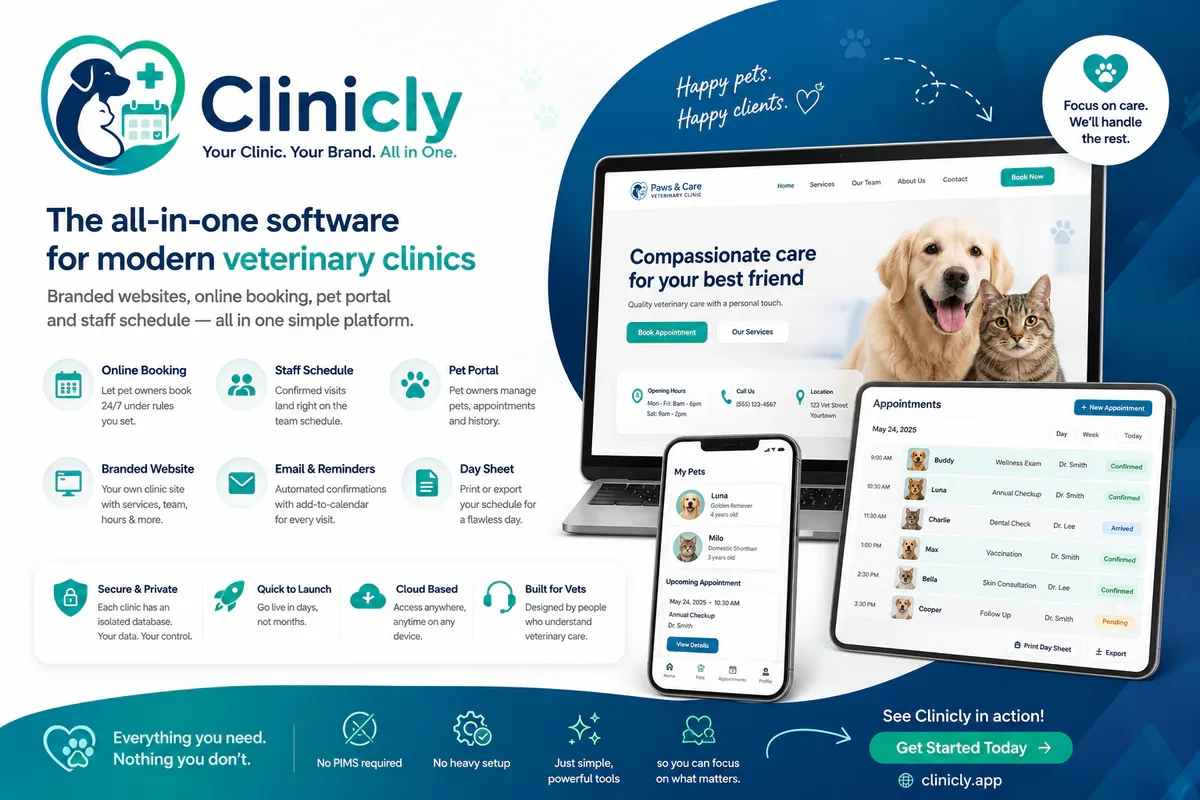 Clinicly Practice PlatformSpecialized Clinic CRM, Online Appointments, Patient/Pet Records & Staff Rostering
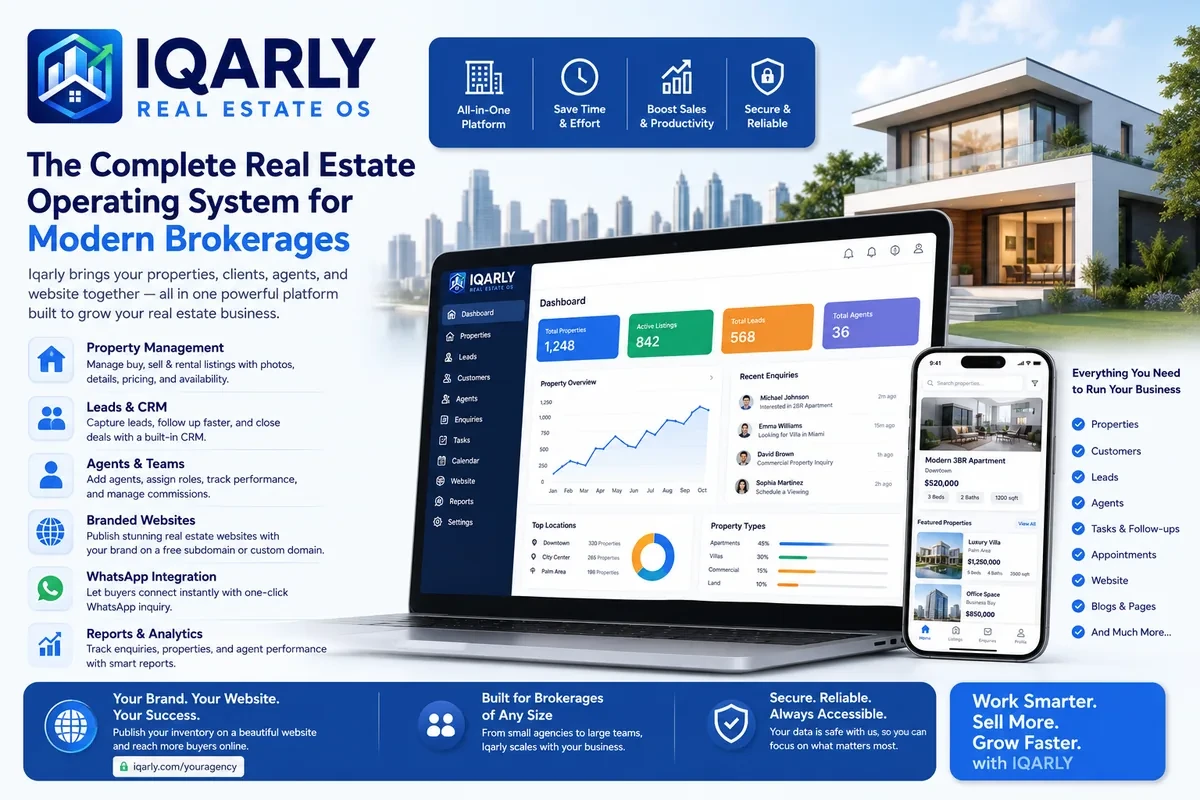 Iqarly Real Estate CRMProperty Inventory, Real Estate Deal Pipelines & Broker Lead Management
 HomeworkServices Field CRMJob Dispatching, Mobile Quoting, Technician Scheduling & Invoicing for Trade Contractors
 FolderCard Knowledge StudioFolders as a Menu, Notes as Cards — Structured Knowledge, Private Vaults & Team Collaboration
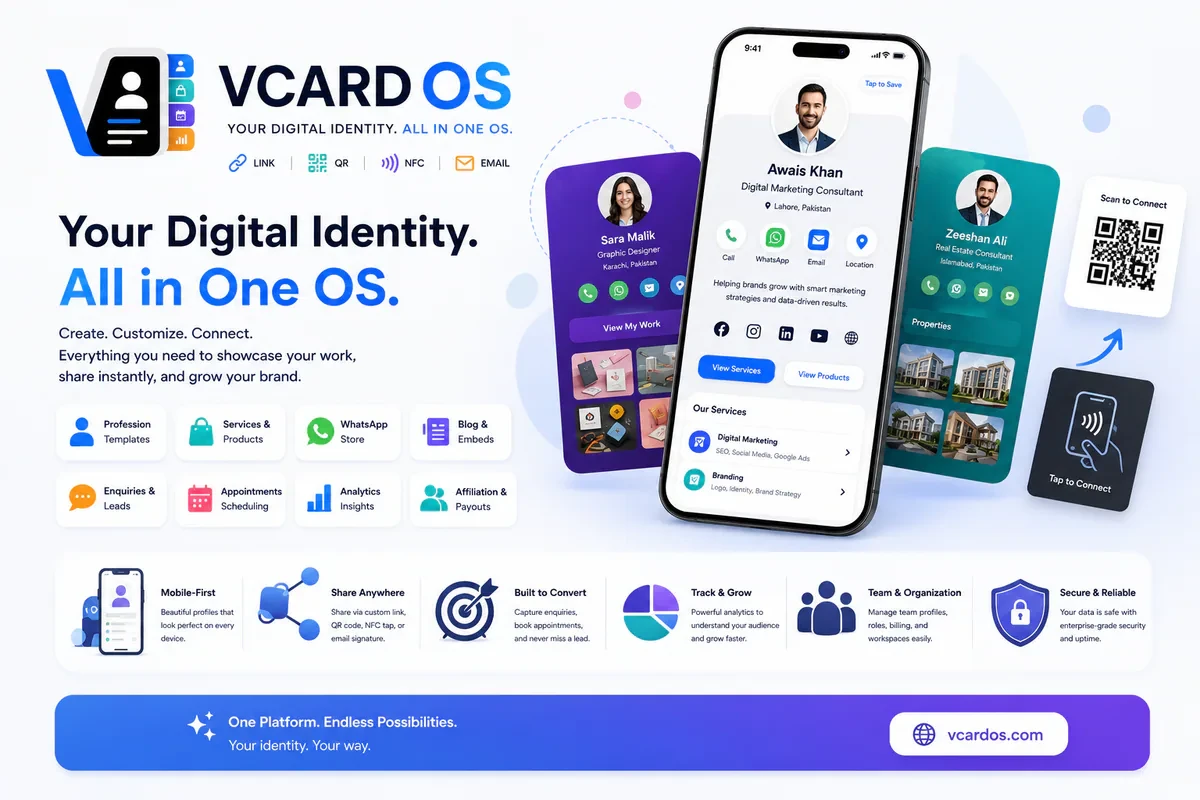 VCardOS Digital CardsNFC Smart Business Cards, Dynamic QR Profiles & Instant Contact Exchange for Modern Executives
Testing & Analytical Services
BEMCON arranges examinations of welds, piping, tanks, pressure equipment and structural components. Methods are selected for the material, geometry, access and suspected deterioration, with findings assessed against specified acceptance criteria.

BUILT AROUND YOUR REQUIREMENT
Each engagement starts with the required outcome, operating context and evidence of success. The result is a focused Non-Destructive Testing scope with clear responsibilities and handover points.
ISO/IEC 17025 accredited partner laboratories.
Sampling plans and chain-of-custody from site to laboratory.
Testing to ISO, ASTM, EN, GSO and SASO methods.
Certified reports with interpretation and next steps.
8 SPECIALIST CAPABILITIES
Select the capabilities that match your Non-Destructive Testing requirement, operating context and agreed delivery stage.
Coordinate documented examination of accessible component areas. Reports identify examined locations, observed conditions and findings requiring additional testing or specialist assessment.
Arrange ultrasonic testing appropriate to the component and investigation objective. Reports document examination coverage, recorded indications, relevant measurements and limitations.
Coordinate liquid penetrant examination of suitable components. The scope defines examination areas, preparation requirements and acceptance criteria before inspection begins.
Arrange magnetic particle examination where appropriate to the material and component. Findings are recorded against identified locations and the specified assessment criteria.
Coordinate radiography through appropriately authorised specialist providers. Inspection planning addresses component identification, examination coverage, site arrangements and reporting requirements.
Select suitable non-destructive methods to investigate identified deterioration concerns. Reports document examined areas and findings requiring repair assessment or further engineering review.
Define examination methods, locations, coverage and acceptance criteria for the agreed scope. Planning considers component geometry, material characteristics and available access.
Review reported indications and examination limitations against agreed requirements. Coordinate additional inspections where clarification or verification following corrective work is required.
HOW WE WORK
A defined workflow keeps the work aligned with the approved scope and makes progress, decisions and handover easier to manage.
Scope your requirementConfirm the sample or product, applicable specification and decision the testing must support.
Agree specimens, operating conditions, measurements, methods and acceptance criteria before work begins.
Manage the assignment with an appropriate specialist partner laboratory and keep the agreed scope visible.
Present measured results, observed changes, deviations, limitations and priorities for any further investigation.
WHAT YOU RECEIVE
Defined samples, methods, reporting expectations and assessment criteria before testing starts.
Testing coordinated with partner laboratories selected for the required analytical methods.
Documented results, observations, deviations and limitations for the scope actually completed.
Priorities for review, corrective action, further analysis or specialist investigation where needed.
CONTINUE EXPLORING
GET IN TOUCH
Choose the type of request and share the details. The right BEMCON team will respond.